

 See My Latest Article on HelloNation
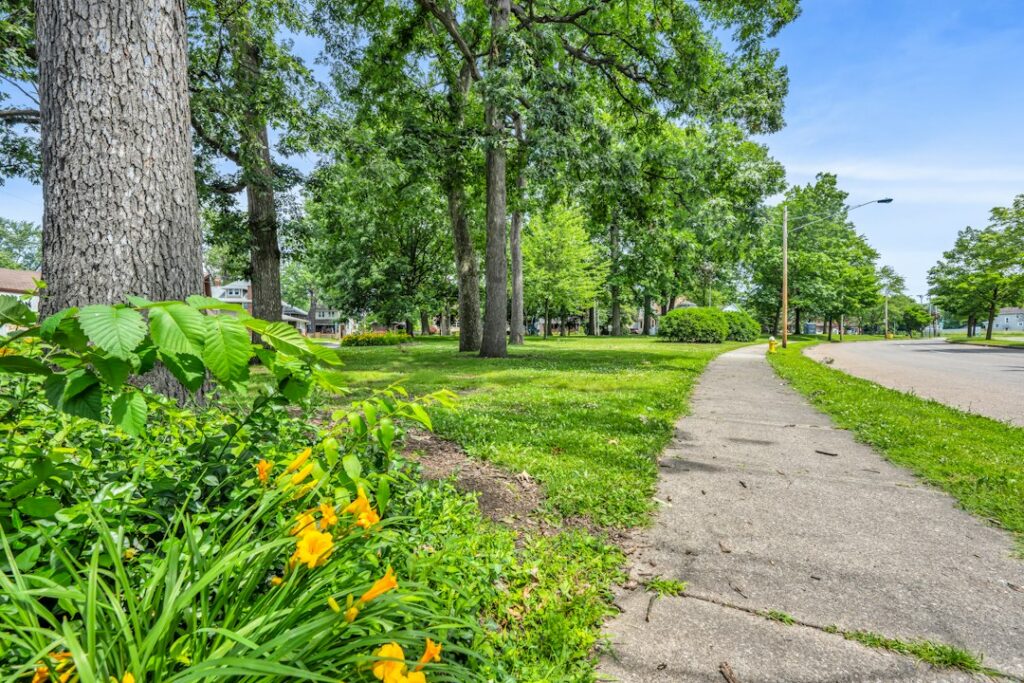
Neighborhood conditions influence property value just as much as the house itself. Buyers typically consider how convenient, safe, comfortable, and well-maintained an area feels before deciding what a property is worth.
In Norwalk, OH, features such as reliable infrastructure, attractive streetscapes, access to parks, practical transportation, and compatible nearby land uses can affect both buyer interest and long-term marketability.
What neighborhood features tend to increase property value?
The features most likely to support property value are those that improve daily life for a broad range of households. These often include:
- Well-maintained streets, sidewalks, and drainage systems
- Convenient access to schools, parks, shopping, and essential services
- Stable residential land use
- Attractive landscaping and mature trees
- Adequate street lighting and traffic control
- Reliable utilities and broadband access
- Low levels of noise, congestion, and nuisance activity
- A consistent pattern of well-kept homes
No single feature guarantees higher prices. Value usually reflects the combined effect of location, property condition, neighborhood stability, recent comparable sales, and buyer preferences.
Do parks and green space affect home values?
Parks, trails, open fields, and other maintained green spaces can support property value by giving residents room for recreation and outdoor activities. They may also make a neighborhood feel less crowded and improve the appearance of nearby streets.
The effect depends on the type and location of the open space. A clean, usable park within a comfortable walking or driving distance may be viewed positively. By contrast, unmanaged land, poor drainage, or an area with frequent noise and heavy activity may not provide the same benefit.
In a community with cold winters, wet springs, and changing seasonal conditions, drainage and year-round maintenance matter. A green space that remains accessible, attractive, and well cared for through different seasons is generally more useful than land that becomes difficult to use after heavy rain or snow.
How do sidewalks, roads, and drainage influence value?
Infrastructure affects property value because it shapes safety, convenience, and maintenance expectations. Smooth roads, clear sidewalks, functioning streetlights, and dependable stormwater management can make an area more appealing to buyers.
Drainage deserves special attention in older neighborhoods and properties near low-lying ground. Standing water, overflowing ditches, basement moisture, and poorly directed runoff may reduce buyer confidence even when the home itself appears well maintained.
Residents evaluating a property should look beyond the front street. Useful questions include:
- Does water collect near curbs, driveways, or sidewalks after rain?
- Are sidewalks continuous and reasonably accessible?
- Do winter conditions create difficult access or visibility problems?
- Are streets designed for the amount of traffic they carry?
- Are utility poles, pavement, and drainage features routinely maintained?
Infrastructure improvements can support surrounding property values, but special assessments, construction disruptions, or higher taxes may affect the overall financial picture.
Does proximity to schools and everyday services matter?
Convenient access to schools, grocery shopping, medical care, recreation, and public services often broadens the pool of interested buyers. Convenience can be valuable to households with children, older residents, people with limited mobility, and anyone trying to reduce daily driving.
Distance is not the only consideration. Travel time, traffic patterns, sidewalks, safe crossings, and seasonal road conditions also influence how useful a nearby amenity feels.
A property does not need to be directly beside a busy activity center to benefit from convenience. In many cases, buyers prefer a balance: access to daily needs without excessive noise, traffic, parking pressure, or late-night activity.
Can neighborhood appearance affect property value?
Yes. The visual condition of a neighborhood can influence first impressions and expectations about future maintenance. Consistent landscaping, intact sidewalks, clean public areas, trimmed vegetation, and well-maintained homes may signal stability to prospective buyers.
This does not mean every property must look identical. Healthy neighborhoods can include a mix of home styles, ages, lot sizes, and landscaping choices. The more important factors are general upkeep, compatibility, and the absence of visible hazards or neglect.
Mature trees may add shade and character, but they also require ongoing care. Overgrown branches, damaged trees, blocked sidewalks, and leaves covering drainage features can create maintenance concerns. A well-planned streetscape tends to be more valuable than landscaping that is attractive but difficult to maintain.
Does zoning or nearby development affect property value?
Land use around a home can have a substantial effect on value. Residential areas with compatible uses are often more predictable than locations next to heavy traffic, industrial activity, large parking areas, or frequent commercial deliveries.
Zoning rules help establish what types of buildings and activities may occur nearby. However, zoning does not eliminate every possible change. Property owners should consider whether vacant parcels, nearby roads, or underused buildings could be redeveloped in the future.
Potentially positive development may include sidewalks, housing improvements, public gathering areas, or services that meet local needs. Potentially negative effects may include increased noise, traffic, lighting, drainage problems, or reduced privacy.
Before assuming that nearby land will remain unchanged, residents can review current zoning information and ask whether proposed changes, flood-related rules, or easements affect the property.
How do safety and neighborhood stability affect value?
Buyers often pay attention to visible signs of safety and stability, including lighting, traffic speed, property upkeep, pedestrian activity, and the condition of public spaces. They may also consider whether the area appears consistently occupied and cared for.

A stable neighborhood does not have to be completely uniform. A healthy mix of homeowners, renters, long-term residents, and newer households can support activity and resilience. Problems arise when vacancies, neglected properties, repeated nuisance conditions, or unresolved maintenance issues become widespread.
Safety perceptions can be influenced by design as much as by reported incidents. Clear sightlines, usable sidewalks, visible entrances, and adequate lighting may make residents feel more comfortable moving through the area.
What neighborhood features may reduce property value?
Some conditions can limit buyer demand or reduce the price a property can command. Examples include:
- Persistent flooding or drainage problems
- Heavy traffic or difficult street access
- Noise from transportation, industry, or recurring events
- Poor sidewalk or road conditions
- Nearby vacant or severely neglected properties
- Incompatible zoning or uncertain future development
- Limited parking or frequent congestion
- Utility, internet, or service limitations
- Environmental hazards or insurance concerns
The effect varies by property and buyer. A location near a busy road may appeal to someone who values access and visibility, while another buyer may prioritize quiet streets. Property value reflects the preferences of the buyers most likely to consider that particular home.
How can residents judge whether a neighborhood feature adds value?
The most reliable approach is to observe the area at different times and in different seasons. A quiet afternoon may not reveal morning traffic, evening parking pressure, weekend activity, or winter drainage issues.
Residents can compare nearby properties and consider:
- Recent sale prices for similar homes
- Condition and maintenance of surrounding properties
- Travel time to frequently used services
- Noise, traffic, lighting, and parking patterns
- Flooding, snow removal, and stormwater conditions
- Planned zoning or infrastructure changes
- Property taxes, insurance costs, and maintenance obligations
The county auditor’s value is used for taxation, but it is not the same as a guaranteed sale price. Market value is shaped by what buyers are willing to pay for a specific property at a specific time.
A strong neighborhood usually offers practical benefits that remain useful beyond a single trend: dependable access, manageable maintenance, attractive public spaces, compatible development, and conditions that support comfortable everyday living.